
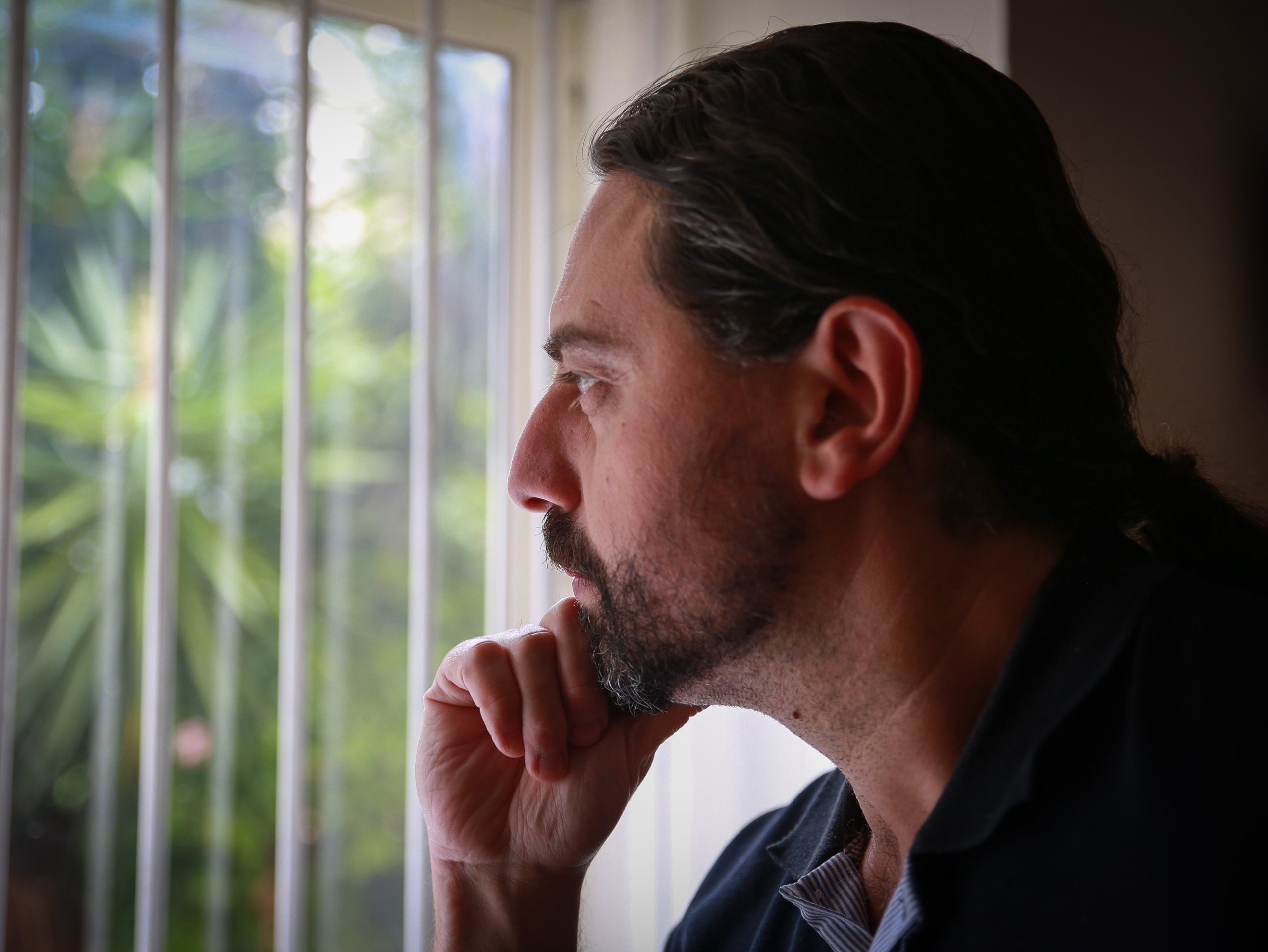
Alan Fenech on Theatre, Teaching and Staying Curious
Actor, writer and director Alan Fenech reflects on his career, from his first stage roles to his thoughts on social media, AI and the discipline of creative work.
A Defining Moment
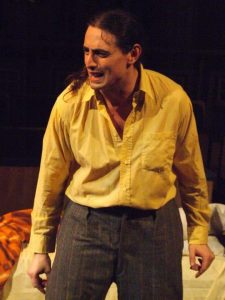
Fenech finds it hard to name a single turning point. His debut at Teatru Manoel in 1998 stands out, as does his national breakthrough with Il Campiello in 1996 and his role as Romeo at the same theatre in 1999. He sees his career as the accumulation of productions, directors and characters, each of which taught him something.
Social Media and Speed
He values social media for promoting productions and connecting with audiences, especially in a small arts community like Malta’s. He warns, however, against letting online speed dictate creative pace, and against judging artistic worth by likes or shares. For him, a quiet theatre moved by a production is worth more than any online metric.
AI: Threat or Tool
Fenech sees artificial intelligence as both a threat and an opportunity. He believes it could affect some jobs, but cannot replace the human experience at the heart of theatre, acting and writing. He treats AI as a tool for research and overcoming the blank page, while stressing that creative decisions must stay human. As an educator, he feels responsible for teaching young artists to use these tools ethically.
Staying Motivated
His motivation has shifted from ambition to a need to communicate something meaningful. He acknowledges rejection, financial pressure and doubt, but says curiosity keeps him going. Working with students reminds him why the arts matter, especially when a young performer suddenly finds their voice.
Collaboration and Conviction
Fenech sees collaboration as central to theatre, while holding on to his own artistic convictions. He welcomes ideas from directors, designers and actors, and believes theatre is a live exchange with its audience. Still, he argues that artists should sometimes challenge or unsettle audiences rather than simply give them what they expect.
How He Works
A project usually starts with a question, an image or a character that won’t leave him alone. He researches extensively, thinks visually because of his background in both theatre and film, and expects to rewrite. Discipline matters as much as inspiration, and the process is about finding the truth of the work and having the courage to follow it.

What’s Next
His immediate focus is Harold Pinter’s The Dumb Waiter, staged with Andy Catania as the first production of PWF Theatre Company, a group he founded with friends to make quality theatre and create opportunities for artists. He will also appear in Veru Alla u Veru Bniedem in February and March, and he marks 20 years of Il-Mixja, a production he has been part of for two decades.