

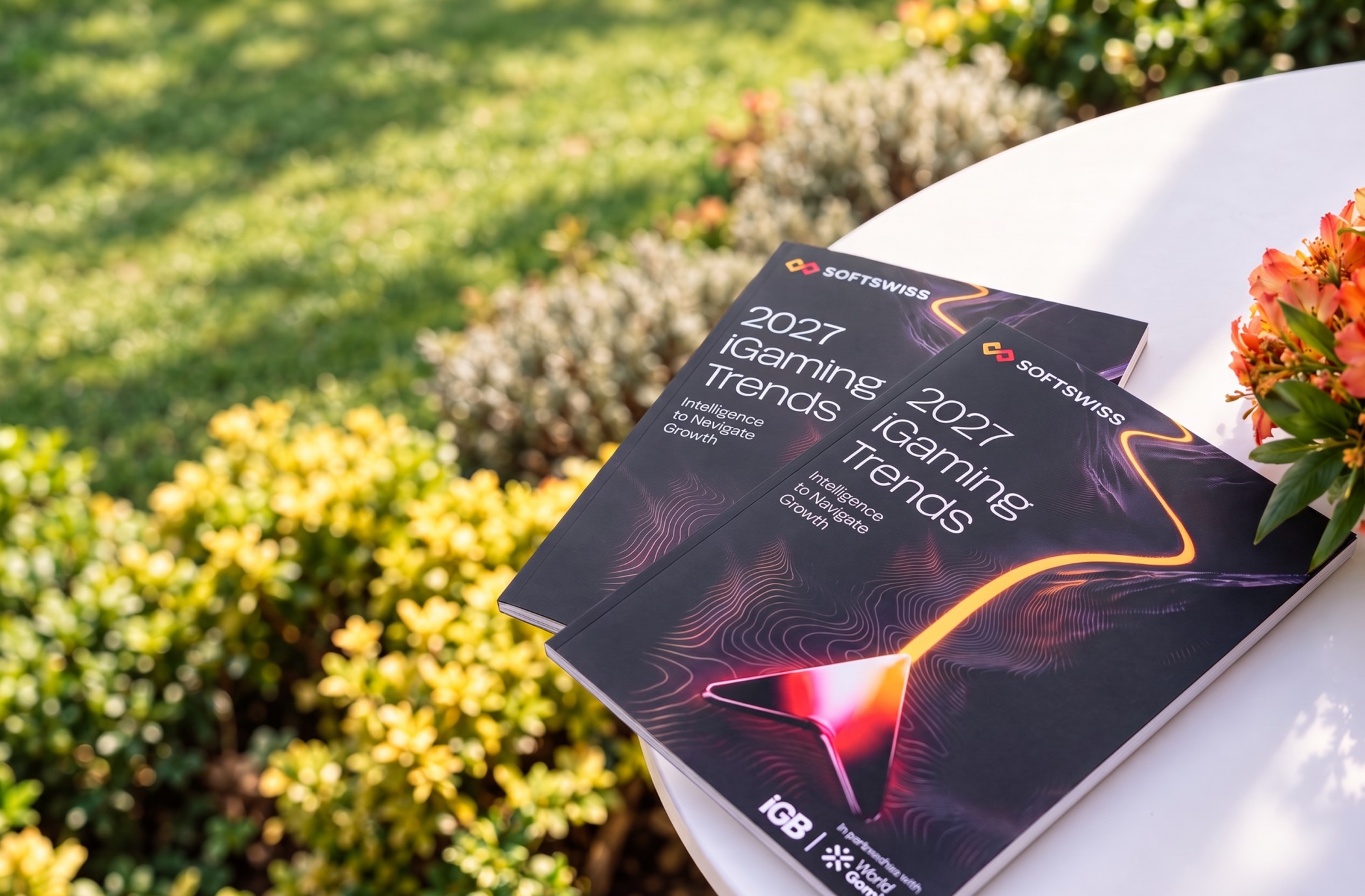
iGaming as a Test Bed for Digital Technology
A new industry report argues that online gaming is becoming a proving ground for technologies such as AI, which are also reshaping fintech, software, e-commerce and other digital businesses.
- Publishers
- SOFTSWISS, in partnership with WorldGaming (formerly Clarion Gaming)
- Research base
- Survey of more than 500 iGaming professionals, input from over 65 experts, and desk research
- Market size (2026)
- Expected gross gaming revenue of €307.3 billion
- Forecast (2031)
- About €461.84 billion, growing around 9% a year from 2027
- Digital Maturity Index
- 4.67 out of 5, the highest of the eight industries assessed
A Fast-Growing Market
According to H2 Gambling Capital data cited in the report, iGaming ranks fourth among eight digital-heavy industries by expected revenue in 2026, behind e-commerce, sports and film. Between 2019 and 2026 the sector grew at a compound annual rate of almost 30%, and it is forecast to keep expanding at around 9% a year through 2031.
Why It Is a Test Bed
The report says the pressures that pushed iGaming to grow quickly are now driving new approaches to workforce design, cybersecurity and regulation. Its maturity index looks at AI adoption, mobile infrastructure, digital customer acquisition, payments innovation, regulatory technology and data-driven decisions. iGaming scored highest on that index.
The technology behind iGaming addresses many of the same challenges facing every digital business, and technologies tested at scale in this industry are likely to become standard elsewhere.
Alexandra Kavelich, Deputy Chief Marketing Officer, SOFTSWISS (paraphrased)
AI and Workforce Changes
The report finds that AI skills are becoming a basic expectation across product, marketing, technology and operations. Companies are running leaner teams and creating new roles, such as AI product managers and AI engineers. Dedicated chief product officer roles are becoming less common as product work spreads across the business.

Cybersecurity and Fraud
AI is also making impersonation and social-engineering attacks more convincing and easier to scale. The report notes that fintech accounted for a large share of DDoS incidents in early 2026, and that betting was among the most targeted sectors. It argues that cybersecurity, fraud, payments, anti-money laundering and identity checks should be linked together, since separate teams may each see only part of an attack.
AI, Regulation and Consumers
Regulators are also turning to AI. The report cites research showing that most financial-sector supervisors in advanced economies already use AI-based supervisory tools. Consumer-facing AI raises a different concern: a March 2026 investigation found that several popular AI assistants could be prompted to recommend unlicensed offshore casinos. The report notes there is no formal requirement for general-purpose AI tools to check whether a business is licensed, and predicts closer scrutiny of how these tools filter and recommend services.
The Bigger Picture
The report concludes that the next stage of AI adoption will depend as much on organisational and regulatory change as on technology. Because iGaming already combines AI, payments, identity, cybersecurity and regulation at scale, the authors see it as a live example of changes that will soon affect fintech, software, e-commerce and other digital sectors.